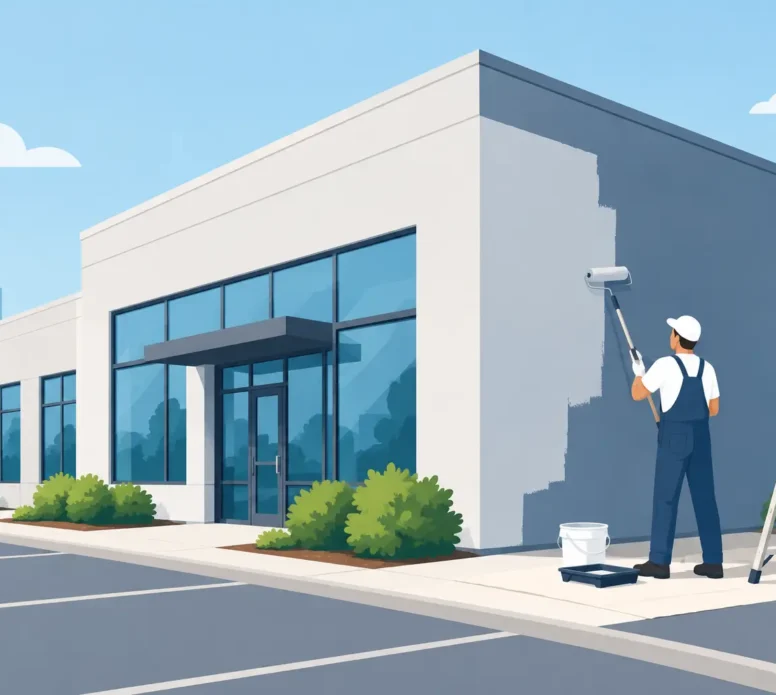
A tired exterior, peeling handrails or scuffed common areas can change how customers, tenants and visitors feel about a property before they step through the door. This commercial property repainting guide is designed to help owners, managers and strata decision-makers plan work properly, protect their building and keep disruption to a sensible minimum.
Repainting is not simply a matter of selecting a colour and booking a crew. On the Coffs Coast, commercial surfaces face salt air, strong sun, heavy rain, humidity and mould pressure. A coating that looks fresh on completion day needs the preparation, product selection and maintenance plan to keep performing through those conditions.
The best repainting projects begin with an honest assessment of what is underneath the existing paint. A building may look as though it only needs a refresh, but bubbling paint, cracking render, rust stains, chalky coatings or recurring mould can point to a deeper issue. Painting over those problems might improve appearances briefly, but it will not deliver a durable result.
Walk the property at different times of day and look closely at elevations that take the harshest weather. Check around windows, rooflines, gutters, service doors, balustrades, loading areas and lower walls where sprinklers, garden beds or foot traffic create extra wear. Inside, inspect high-touch surfaces, wet areas, stairwells, corridors and ceilings for stains, peeling or mould.
It also helps to note which defects are isolated and which are repeated. A small scratch on a tenancy wall is a repair job. Widespread peeling on a sun-exposed façade may require thorough removal of failed coatings, repairs and a new coating system rather than a simple topcoat.
Water is one of the main reasons paint fails. Before repainting, identify whether moisture is entering through failed sealant, roof issues, damaged flashing, blocked drainage, cracks or plumbing leaks. The source needs to be corrected before surfaces are coated.
Mould should be treated as more than a cosmetic mark. It needs suitable cleaning and remediation, followed by enough drying time before painting. On coastal properties, improving airflow and addressing persistent dampness can be just as valuable as applying a mould-resistant coating.
Timber rot, rusted steel and loose render need their own repair process. Each surface responds differently, and the wrong preparation can shorten the life of an otherwise good paint job.
A clear scope avoids the common surprise of discovering that essential repairs or preparation were not included in the original plan. List every area that needs attention: external walls, soffits and eaves, doors, frames, metalwork, car parks, line marking, internal common areas, tenancy fit-outs or amenity blocks.
Then separate works into priorities. Items affecting safety, weather protection and active deterioration should come first. Presentation upgrades can be scheduled around them, especially if the property is being refreshed in stages.
For strata and multi-tenancy buildings, agree on the boundaries of the work early. This includes private-use areas, shared corridors, balconies, storage rooms, signage zones and car parking spaces. A detailed quote should make it clear what surfaces are included, what preparation is proposed and any assumptions that may need confirmation once work begins.
A repaint has to fit around people using the site. A medical practice, retail premises, office building, warehouse and holiday accommodation property all have different access requirements. Ask when noise, odours, equipment and restricted walkways will cause the least disruption.
Phasing is often the practical answer. Exterior work can be completed elevation by elevation, while internal common areas may be scheduled outside peak hours. Where access equipment is needed, tenants and visitors should receive clear notice about changed entry points, parking or pedestrian routes.
Good communication is not an extra. It is what keeps a well-planned project from becoming frustrating for the people working, living or trading at the property.
Colour matters, but the coating system has the bigger job. It must suit the substrate, existing coating, level of exposure and how the area is used. Exterior masonry, weatherboards, galvanised steel, timber trim, concrete floors and previously painted surfaces all need compatible preparation and products.
For example, a dark exterior colour can create a dramatic update, but it may absorb more heat on a highly exposed wall. A very light colour can look crisp, though it may show dirt or scuffing faster around entrances and loading zones. The right choice depends on the building design, surroundings, maintenance expectations and any strata or branding requirements.
In busy interiors, washable low-sheen finishes can be a sensible balance between appearance and cleanability. Semi-gloss finishes often suit doors, trims and hard-wearing service areas. For floors, an epoxy system may be appropriate where a surface needs added durability, easier cleaning or a more professional finish, provided the concrete is properly prepared and moisture conditions are suitable.
Test colours on the actual building where possible. Sunlight, surrounding landscaping, roof colour and neighbouring structures can all make a sample look different from a paint chart.
The finish coat gets the attention, but preparation does the heavy lifting. A professional repainting process may involve pressure cleaning, mould treatment, scraping loose paint, sanding, filling, repairing cracks, sealing stains, treating rust and priming bare areas. The exact steps depend on the surface condition.
Pressure cleaning is useful for removing dirt, chalk and biological growth, but it is not a cure-all. Too much pressure can damage softer timber, force water into vulnerable areas or disturb deteriorated surfaces. It should be matched to the material and followed by adequate drying time.
Likewise, primers are not interchangeable. Bare timber, metal, repaired render and stained surfaces may each need a specific primer to promote adhesion and prevent old problems from bleeding through. Skipping this stage to save time can lead to early failure and a more disruptive repair later.
Commercial worksites need to remain safe and orderly. Before the job starts, confirm access points, parking arrangements, equipment locations, working-at-heights requirements and how the site will be protected each day. This is particularly relevant for busy shared properties, where residents, customers, deliveries and staff may all move through the same areas.
A tidy site also protects the property’s reputation while work is underway. Drop sheets, masking, dust control and daily clean-up matter inside tenancies and around public-facing entrances. Outdoor work needs careful protection for gardens, vehicles, glazing and footpaths.
There can be trade-offs. Completing a larger area in one visit may be more efficient, while staging the work can make the property easier to operate. The best approach is the one that manages risk and disruption without compromising preparation or cure times.
A repaint is a long-term maintenance decision, not a one-off event. Keeping a record of colours, coating types, repairs and completion dates makes future touch-ups and planned maintenance far easier. It also helps strata committees and property managers make informed decisions when responsibilities change hands.
Regular washing removes salt, dirt and organic growth before they become embedded. Promptly dealing with leaks, damaged sealant, impact marks and early mould growth can prevent minor faults from spreading under the coating. High-traffic areas may need more frequent attention than protected walls, so inspect them on their own schedule.
For commercial owners across Coffs Harbour and surrounds, local weather exposure should shape that schedule. Coastal-facing elevations and shaded, damp sections generally deserve closer monitoring than sheltered areas.
The right painting contractor should ask questions about the property’s condition, use and timing before recommending a system. They should be able to explain the preparation required in plain language, identify concerns rather than hide them, and provide clear updates as work progresses.
At Harbour Painting Solutions, that whole-project approach includes surface preparation, restoration work and practical colour guidance alongside careful paint application. It means the plan can account for the condition of the building, not just the visible finish.
A well-managed repaint should leave the property looking cared for, with durable surfaces and fewer unknowns for the people responsible for it. Start with a thorough inspection and a clear conversation about what the building needs – the right work done now can make every future maintenance decision simpler.