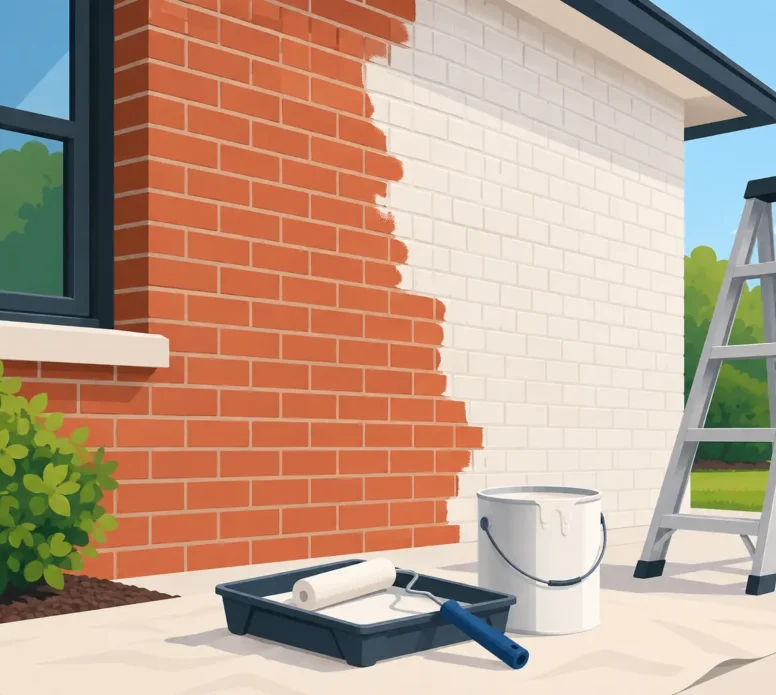
A tired brick façade can make an otherwise well-kept home feel dated, patchy or neglected. Painting brick exterior surfaces can give a property a major lift, but it is not a job to start with a tin of paint and a free weekend. Brick needs to be clean, dry, sound and able to manage moisture properly before any coating goes on.
For homes around Coffs Harbour, that judgement matters even more. Salt air, driving rain, humidity, mould and strong sun can expose weaknesses in old coatings and masonry quickly. Done properly, a painted brick exterior can refresh the look of a home and add a protective finish. Done without the right preparation, it can trap moisture, peel prematurely and hide problems that still need attention.
It depends on the condition of the brickwork and what you want from the property. Painted brick can create a cleaner, more contemporary appearance, bring mismatched additions together and improve the presentation of a rental, townhouse, commercial premises or older family home. It can also make the home easier to coordinate with a new roof colour, driveway finish, trims or timber features.
The trade-off is that painting changes the maintenance cycle. Natural face brick generally needs little more than cleaning, while painted brick will eventually need washing, touch-ups and repainting. That does not make painting the wrong choice, but it should be a deliberate one.
Brick that is already painted, heavily stained, patched with repairs or made up of several different brick types is often a strong candidate for coating. In contrast, attractive face brick in excellent condition may be better left as it is. A careful site inspection helps determine whether paint will solve the visual problem or simply cover a deeper issue.
Moisture is the biggest consideration with masonry painting. Bricks are porous, so they can absorb and release moisture. If water is getting behind or through the wall, a coating applied over the top may blister, crack or peel as that moisture tries to escape.
Look closely for white, powdery deposits on the brickwork. This is often efflorescence, where salts are carried to the surface by moisture. Also watch for flaking paint, soft mortar, dark damp patches, rust stains below metal fixtures, mildew or cracking around windows and doors. These signs do not automatically rule out painting, but they do need to be investigated and addressed first.
The source could be failed roof flashings, overflowing gutters, leaking downpipes, gaps around windows, poor drainage or damaged mortar joints. On coastal properties, weather exposure can accelerate wear around parapets, chimneys and walls facing prevailing rain. A quality paint system cannot compensate for an active leak.
Loose mortar should be repaired, cracked bricks assessed and damaged sealants replaced before preparation begins. Repointing should be allowed to cure properly, and any repairs need to be compatible with the existing masonry.
This is where surface preparation makes the difference between a finish that looks good for a season and one that holds up over time. Paint follows the condition of the surface beneath it. If that surface is unstable, the new finish will be too.
A freshly painted brick wall may look simple, but the work behind it is detailed. The aim is to create a clean, stable and dry surface that allows the selected coating system to bond as intended.
First, the brickwork needs a thorough wash to remove dirt, chalking residue, cobwebs, salt build-up and loose material. Pressure cleaning can be effective when it is matched to the age and condition of the masonry. Too much pressure, used too close to the wall, can damage mortar joints or force water into vulnerable areas.
Mould and mildew need proper treatment rather than being painted over. If the wall has persistent mould growth, it is also worth considering why that area stays damp or shaded. Nearby garden growth, poor airflow and leaking drainage can all contribute.
Once the wall is clean and dry, failed paint is scraped or sanded back, repairs are completed, and gaps around junctions are sealed where appropriate. Careful masking protects windows, paving, gardens and adjoining surfaces. It is slower than rushing straight to paint, but it keeps the worksite tidier and produces sharper edges.
Exterior brick needs a coating designed for masonry conditions, not a general interior paint applied outdoors. The right primer and topcoat system will depend on whether the brick is bare, previously painted, highly porous or showing signs of residual staining.
Breathability matters. A suitable masonry coating should help protect the surface while allowing water vapour to move through the wall in a controlled way. The goal is not to seal a damp wall shut. It is to coat a dry, sound wall with products that suit the substrate and local exposure.
Primer is not always optional. Bare porous brick can absorb paint unevenly, leaving a patchy sheen and reducing coverage. On previously painted surfaces, a primer may be needed to bind chalky areas, improve adhesion or isolate stains. Skipping this stage may save time at the start, but it can shorten the life of the finish.
Weather conditions also affect application. Painting should be planned around rain, high humidity, strong winds and surface temperature. A wall in full afternoon sun can be much hotter than the air temperature, causing paint to dry too quickly and making it harder to maintain an even finish.
Paint gives brick homes more flexibility than many owners expect. Soft whites, warm greys, muted greens and coastal neutrals can make a dated façade feel lighter without looking out of place in its street. Deeper charcoals and blue-greys can suit modern architecture, although darker colours absorb more heat and require consideration on exposed walls.
Before settling on a colour, look at fixed features that are not changing: roof tiles or metal roofing, gutters, window frames, paving, stonework and fencing. Test colours on a generous sample area and view them at different times of day. A colour that looks calm in shade can look much brighter in the Coffs Coast sun.
It also helps to consider how the exterior works as a whole. Brick walls, eaves, trims, front doors, decks and driveways all contribute to the finished impression. A well-chosen scheme does not need every element to match. It needs the elements to feel intentional.
Painting should be postponed if the wall is actively damp, the brickwork is deteriorating or there is unresolved structural movement. Fresh new brick may also need time to dry and cure before it is coated. Applying paint too early can create adhesion problems and make later repairs more difficult.
Some heritage-style or character homes benefit from retaining original face brick, particularly where it is a key feature of the architecture. In those cases, professional cleaning, gentle restoration or targeted repair may achieve the desired improvement without changing the material permanently.
If there is uncertainty, a small test area and an experienced assessment are worthwhile. It is better to identify an issue before coatings are applied across every wall.
Once painted, brick walls benefit from simple regular care. A gentle wash removes salt, dust and organic build-up before it becomes embedded in the coating. Keep garden beds and climbing plants clear of the wall, maintain gutters and downpipes, and address chips or failed sealant early.
Walk around the home after periods of heavy rain and check the areas beneath windows, around rooflines and near ground level. Early attention to a small crack, drainage issue or mould patch protects the broader paintwork and the masonry behind it.
For strata and commercial properties, a planned maintenance approach is especially useful. Regular inspections help spread work sensibly and maintain a professional appearance without waiting for widespread coating failure.
Painting brick exterior surfaces is a visible transformation, but the lasting value comes from what happens before the final coat. When the wall is repaired, cleaned, prepared and coated for its conditions, the result is more than a new colour – it is a well-cared-for exterior that is ready for the seasons ahead.