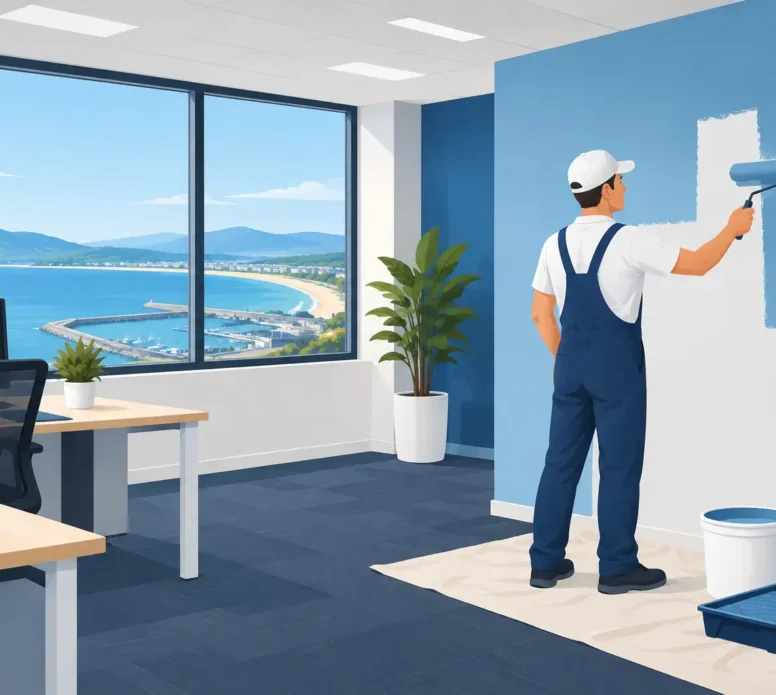
A tired reception wall, scuffed corridors and marked door frames can quietly change how customers and staff feel about a workplace. Coffs Harbour office repainting is not simply a cosmetic job. Done properly, it is a practical way to protect surfaces, support a professional image and make the workday more pleasant for the people using the space.
The best results come from planning around your operation rather than trying to fit an active office around a painting job. That means understanding what the surfaces need, choosing colours with purpose and organising the work so disruption stays manageable.
Paint failure is often a surface issue before it is a paint issue. In busy offices, hand marks around light switches, chair scuffs, adhesive residue, dents, cracking caulk and worn skirting boards are common. Near entry points or in poorly ventilated rooms, moisture and mould may also need attention before any coating goes on.
A proper site inspection should look beyond the most visible wall. Ceilings, doors, frames, trims, windowsills, plaster repairs and high-traffic areas can all affect the final presentation. If stains are painted over without the right preparation or primer, they may return. If glossy or contaminated surfaces are not cleaned and sanded, fresh paint may struggle to bond as it should.
This is especially relevant in coastal conditions. Humidity, salt in the air and changing weather can influence drying times and the condition of exterior-facing surfaces. Interior office work is more controlled, but it still benefits from sensible timing, ventilation and coatings suited to the room.
For some workplaces, the simplest approach is to repaint room by room. For others, an after-hours or weekend schedule makes more sense. There is no single right method. The size of the office, the number of staff, access requirements and the type of business all shape the best plan.
A small professional office may be able to move desks into the centre of each room and work through the space in stages. A medical, retail or client-facing premises may need work completed outside opening hours so customers are not walking past drop sheets and equipment. Shared commercial buildings can also require coordination with building managers, tenants and other trades.
The key is to discuss the operating constraints before work begins. Identify areas that must remain available, such as reception counters, meeting rooms, kitchens, storage rooms and accessible pathways. Clear communication about the sequence of works helps staff prepare and reduces last-minute surprises.
It is worth allowing time for furniture moves, IT equipment protection and reopening rooms once coatings have dried. A professional painting team can protect floors and fixed furnishings, but a smoother job always starts with clear access and an agreed plan for what stays in each area.
Office colour choices should reflect more than personal taste. They influence how a space feels under artificial light, how well it hides day-to-day marks and whether it aligns with your business presentation. A soft neutral can make compact rooms feel less enclosed, while warmer tones can prevent a large open-plan space from feeling clinical.
White remains useful for ceilings and brighter work areas, but pure white on every wall is not always the most practical choice. It can show scuffs quickly and may feel harsh under cool lighting. Off-whites, gentle greys, muted greens and warm stone tones often provide a more forgiving finish while keeping the space professional.
Feature colours can work well in reception areas, boardrooms or behind branded signage. The trade-off is longevity. A bold colour may look excellent when it suits your identity, but it can be harder to adapt if the business branding changes or a future tenant needs a more neutral space. For leased offices, it is sensible to check any make-good requirements before committing to a major colour change.
Test sample colours on the actual walls where possible. Morning sun, late-afternoon light, fluorescent fittings and LED globes can all alter what you see. A colour that appears calm in a showroom can read very differently beside office furniture, flooring and window coverings.
The visible painting stage is only one part of the work. Thorough preparation is where a repaint earns its durability and clean appearance. Walls need washing to remove dust, oils and marks. Holes, dents and cracks should be repaired, then sanded smooth. Gaps around trims may need flexible filler or caulking for a neater line.
Previously painted surfaces may need sanding to provide a sound key for the new coating. Stained patches, repaired plaster, water marks and areas affected by mould often need specific treatment and priming. Skipping these steps can leave patchiness, flashing or early coating failure, even when the paint itself is good quality.
Doors and frames deserve careful attention because they receive constant contact. A hardwearing finish can make a noticeable difference to corridors, meeting rooms and amenities. In areas where cleaning is frequent, selecting a washable coating and an appropriate sheen level helps keep maintenance practical without making every imperfection stand out.
The preparation process should also protect the workplace. Floors, furniture, fixtures and electronics need suitable coverings, while work areas should be kept orderly throughout the project. A clean site is not just about appearances. It reduces the chance of dust travelling into equipment, shared spaces and adjacent tenancies.
An office repaint can be a useful opportunity to address the surfaces that affect the whole presentation of the premises. Worn timber trims, peeling external fascias, tired metal doors, stained ceilings or neglected concrete floors can undermine otherwise fresh walls.
Not every project needs to expand, and keeping the scope focused can be the right call when only certain rooms need attention. However, if a surface is already showing water damage, mould growth, timber weathering or coating breakdown, dealing with the cause at the same time is usually wiser than covering it temporarily.
For commercial property owners and strata decision-makers, planned maintenance can also help avoid the disruption of urgent repairs later. Keeping a record of previous coatings, colours and problem areas makes future touch-ups and maintenance decisions more straightforward.
A detailed quote should set out the areas being painted, the preparation included, the coating system proposed and any exclusions or access requirements. This gives everyone a clear reference point and avoids assumptions about what is included in the finished job.
Before the first drop sheet goes down, confirm the work schedule, access arrangements, parking, security procedures and who will be the main point of contact. Let staff know where painters will be working, whether noise or odour may be noticeable, and which areas should be kept clear. Good communication is one of the simplest ways to make an office repaint feel organised rather than disruptive.
At Harbour Painting Solutions, this practical approach is central to the way commercial work is managed. Careful preparation, tidy work practices and straightforward updates help business owners feel confident that their premises are being looked after.
Once the office is back in use, small habits can extend the life of the repaint. Clean marks promptly with a soft cloth and mild cleaner rather than abrasive products. Use door stops where handles are striking walls, and consider protection in high-contact areas such as behind chairs or around shared equipment.
Keep a note of the paint colours and finishes used in each area. This is helpful when a wall needs a minor repair after furniture is moved, new signage is installed or a tenancy layout changes. Touch-ups are most successful when the same product and sheen are used on a clean, sound surface.
A freshly painted office should feel like a workplace that is cared for, not one that has merely been covered over. With the right preparation, a sensible schedule and colours chosen for real working conditions, the result can support your team and welcome every person who walks through the door.